
Eileen Saga: The Crush Girl
YOFUN GAMESAdventure
4.5144.00 Reviews
- Version
- 1.0.34
- Installs
- 100.00K
- Age Rating
- Everyone
Screenshots

Our Review of Eileen Saga: The Crush Girl
 Analysis by Appyee
I approached Eileen Saga: The Crush Girl as an adventure game for players who want a character-collecting experience that feels easy to start but still gives them decisions to make after the opening session. It comes from YOFUN GAMES, is free to download, and is aimed at Everyone, so it is positioned as a broadly accessible game rather than a niche title for a specific age group or specialist audience.
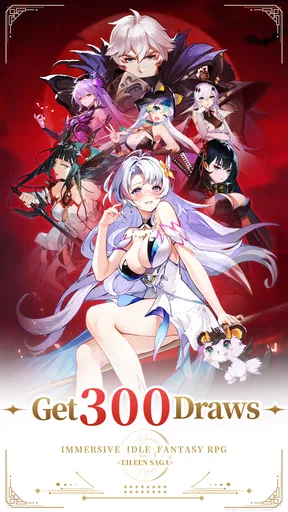
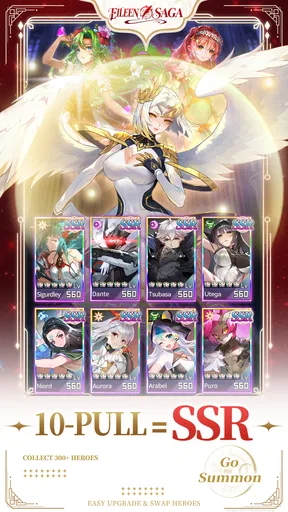
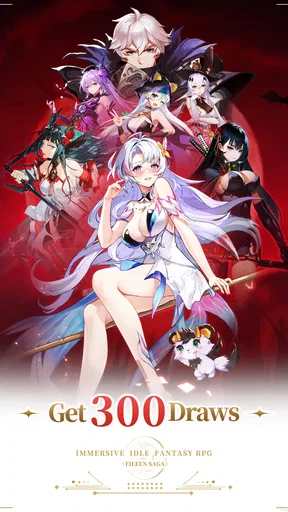
The first thing that shapes the experience is its generous opening invitation: new players receive 300 draws at the start, while every ten-pull guarantees an SSR hero. That immediately changes the usual first impression of a collection game. Instead of spending the opening hours with a very limited roster and waiting for a lucky result, I could think about which characters might fit my preferred approach from the beginning. This makes the early game feel more welcoming, although it also puts the focus firmly on collecting heroes and managing the results of those draws.
My recommendation depends on what you want from an adventure game. If you enjoy building a roster, comparing heroes, and making gradual progress through a character-driven system, this is an appealing free starting point. If you are looking for a self-contained adventure with a strong emphasis on exploration, a single continuous story, or action that does not revolve around collection, the usual premium or exploration-focused alternatives may suit you better.
What to consider before choosing Eileen Saga
Before settling in, I’d consider whether I want a game to become a recurring part of my routine or simply offer a lively first session. The generous opening makes experimentation easy, but the lasting appeal depends on whether I enjoy making sense of a growing roster afterward. I’d also decide what “enough” play looks like for me, so regular check-ins stay enjoyable rather than turning into another task.
The opening roster changes the first few hours
The opening draw allowance is not just a small bonus. It affects how I would plan the beginning of a new account. With so many early opportunities to recruit, I would avoid immediately spending every resource on the first attractive result. I would first look at the heroes already available, identify the roles that seem to be missing, and then use the draws with a clearer idea of what I wanted to build.
That is a useful habit in any collection game, but it matters especially here because the opening guarantee encourages repeated ten-pulls. A guaranteed SSR hero makes the process feel less punishing than a completely luck-based system, yet it does not remove the need to make choices. A rare hero is not automatically the best answer for every team, and a large roster can become confusing if I collect without considering how the characters work together.
For a new player, I would treat the opening session as a test rather than a race. Try several heroes, pay attention to how their abilities affect the pace of battles, and decide whether the game’s rhythm feels comfortable before investing time or money. The strongest early result is less important than discovering whether you enjoy the loop of recruiting, arranging, and improving a group.
Adventure appeal versus collection appeal
The adventure label sets an expectation of progression and discovery, but the practical appeal here is closely tied to the hero system. I would choose this game because I want the adventure to be supported by a growing cast, not because I expect a traditional open-world journey. That distinction is important when comparing it with other games in the same broad category.
Some adventure games are built around direct movement, environmental puzzles, and a carefully paced campaign. Others use adventure as a framework for battles, characters, and long-term account development. Eileen Saga belongs more naturally in the second group. Its opening draw structure tells me that the roster is central to the experience, and that makes team decisions more important than simply following the next story objective.
This can be a strength for players who like to experiment. I enjoy games where a new character gives me a reason to revisit my setup, but I also know that this style can feel repetitive to someone who wants every chapter to introduce a completely different kind of challenge. Before downloading, I would ask myself whether collecting and refining heroes sounds like a reward or like homework.
How the free model affects the decision
The game is free, which makes trying it straightforward, but it includes in-app purchases ranging from $0.49 to $99.99 per item. That wide range is worth considering before starting, even if I intend to spend nothing. A free entry point is convenient, while optional purchases can create pressure if progress or new characters begin to feel especially tempting.
My practical advice is to decide on a personal spending boundary before the first session. The opening draws already provide a substantial reason to explore the game without rushing into a purchase. I would play through the initial content, see how quickly the roster develops, and only then decide whether paying would improve my enjoyment rather than simply relieve impatience.
This approach also makes it easier to judge the game fairly. If I start by paying because I feel behind, I may never know whether the underlying adventure loop was enjoyable on its own. If I start free and use the early opportunities to understand the roster, I can make a calmer decision about whether optional purchases are worthwhile for me.
Device compatibility and practical expectations
The listed minimum operating system is Android 8.0, so the game is accessible to people using older Android devices that still meet that requirement. I would still leave some storage and battery headroom for any game of this type, particularly if I play for long sessions, but I would not choose a device solely on the basis of the minimum version.
The current version is 1.0.34, which is useful context for anyone comparing the game with much older or more established alternatives. I would expect the experience to be evaluated as a relatively current release rather than as a mature title with years of accumulated systems. That can mean a fresher starting point, but it also means I would pay attention to how comfortable the progression feels over several sessions instead of judging it only by the opening draw.
Who will get the most from it?
I think the best match is a player who enjoys short check-ins, roster decisions, and the satisfaction of seeing a collection grow. It can work well for someone who likes to switch between heroes, compare possible teams, and make incremental improvements rather than relying on one permanent character.
It is also a sensible choice for a newcomer who has been put off by collection games that begin with very few resources. The opening 300 draws and the ten-pull SSR guarantee make the first step less intimidating. They give a new player room to explore instead of making the initial account feel empty.
I would be more cautious about recommending it to someone who dislikes randomized recruitment, duplicate results, monetized progression, or games that ask for regular attention. Even a friendly opening can lead to a long-term structure that feels more like account management than a conventional adventure. Players who want a one-time purchase and a clearly bounded ending should look toward premium adventures instead.
Where Eileen Saga stands out, and where another choice may be better
What stands out to me is the way the early recruitment lowers the barrier to trying a hero-focused adventure; the trade-off is that collection and account choices remain central. I’d choose it over a traditional adventure when I want roster decisions to keep shaping my sessions, but I’d pick a story-led or fixed-price game if I want a more bounded experience. The next question is which kind of ongoing play feels rewarding rather than tiring.
The strongest advantage is a low-friction start
Many character-collection games make the opening feel like a tutorial followed by a long wait. Here, the large number of initial draws gives me a reason to engage with the roster immediately. I can begin by comparing heroes rather than wondering when the real game will start. The ten-pull guarantee also gives the early recruitment process a clearer sense of value.
That does not mean every result will be perfect, but it does reduce the emotional risk of the first few attempts. I find that helpful because it encourages experimentation. Instead of protecting a tiny starting team at all costs, I can test different combinations and learn which characters make the adventure feel more enjoyable.
The title also benefits from being free and rated for Everyone. That combination makes it easy to recommend as a trial, especially to families or casual players who want to see whether this style of adventure is a good fit before committing to a purchase. The age rating does not guarantee that every player will enjoy the monetization model, but it does make the game approachable from a content perspective.
A useful way to handle the first session
My preferred opening workflow would be simple. I would use the initial draws, pause before spending any additional resource, and create a small note of which heroes seem useful in different situations. I would not judge a character only by rarity. I would watch whether the hero makes battles easier to understand, whether the abilities complement the rest of the group, and whether using that character is actually fun.
The non-obvious benefit of this approach is that it prevents the opening generosity from becoming clutter. A large roster can create the illusion of progress while leaving the player unsure what to do next. Sorting heroes by practical role, personal enjoyment, and upgrade priority gives the early account direction. Even a basic shortlist of favorites can save time later when the game presents more choices.
I would also resist the urge to rebuild the entire team after every new draw. Constant switching can make it difficult to learn what each hero contributes. I would keep a stable core for a while, test one replacement at a time, and only make larger changes when I understood the reason. That is a better way to turn the opening recruitment into useful knowledge rather than a sequence of random experiments.
The trade-off of a collection-led adventure
The same system that makes the beginning generous can also become the main source of friction. Once a player has many heroes, the question changes from “Can I get a strong character?” to “Which characters deserve my limited attention?” That means the game may demand more organization than a straightforward adventure. Players who enjoy optimizing will see this as depth; players who want a relaxed story may see it as unnecessary administration.
There is also a psychological trade-off in the guarantee. Knowing that every ten-pull includes an SSR hero makes repeated recruitment feel safer, but it can encourage me to keep pulling simply because the next result is guaranteed to contain something valuable. I would set a stopping point before each session and avoid treating the guarantee as a reason to spend beyond my plan.
Another practical limitation is that a broad opening roster can hide the difference between immediate strength and long-term usefulness. A hero that feels impressive in the first battles may not remain my favorite once I understand the wider team options. I would therefore avoid making purchase decisions based on one exciting result or one unusually smooth session.
How it compares with conventional adventure games
Compared with a premium adventure, this game offers a lower barrier to entry but a less predictable long-term structure. A premium title usually makes the purchase decision clear at the beginning and lets the player focus on the campaign. Eileen Saga asks me to decide not only whether I like the adventure, but also whether I enjoy the ongoing process of collecting and improving heroes.
Compared with a purely competitive roster game, its adventure framing may feel more approachable. I can focus on personal progression rather than immediately measuring myself against other players. Still, anyone who dislikes the pressure associated with rare characters and optional purchases should not assume that the adventure label removes those concerns.
Compared with a story-first mobile game, this one is more attractive to players who want replayable account decisions. A story-first alternative may be better for a player who values dialogue, atmosphere, and a fixed narrative above team experimentation. I would choose Eileen Saga when the roster itself is part of the entertainment, not merely a tool for moving through a plot.
What switching to it really involves
Switching from another collection game is easiest if I am ready to start over mentally. The generous opening helps, but it does not transfer the habits, favorite characters, or progress from a different title. I would expect to spend the first session learning how this game presents its heroes and progression rather than trying to recreate an old account immediately.
The cost of switching is therefore mostly attention. I would need to learn which early choices matter, which heroes I genuinely enjoy, and how much daily involvement feels comfortable. The opening draws shorten the period of feeling underpowered, but they do not eliminate the time needed to understand the roster.
For someone moving from a story-based adventure, the adjustment may be larger. The player must become comfortable with the idea that collecting is not a side activity but part of the main loop. For someone moving from another hero-collection game, the transition should feel more familiar, although the value of the opening recruitment may make the first hours feel more generous than expected.
Audience fit in everyday use
Imagine I have a short break after work and want something more involved than a puzzle but less demanding than a long console session. I could open the game, review my roster, make one sensible team adjustment, and continue the adventure without needing to rebuild everything from scratch. That kind of check-in is where the game makes the most sense for me.
On a weekend, I would use the longer session differently. I would compare several heroes, test whether a new SSR result actually improves my preferred setup, and decide which characters deserve resources. The key is to separate casual play from account planning. Not every session needs optimization, and treating every login as a strategic task can make a free game feel like an obligation.
For a younger player, the Everyone rating makes the content approachable, but I would still encourage an adult to discuss in-app purchases before handing over a device. The low entry price of free does not make every optional item harmless, especially when individual purchases can reach $99.99. Clear boundaries are more useful than relying on willpower after an appealing draw.
Who should skip it
I would skip this game if my main requirement is a complete adventure that I can finish without thinking about recruitment. I would also look elsewhere if I strongly prefer direct control, exploration, or a carefully authored journey over hero management. Those preferences are not flaws in the game; they simply point toward a different category of experience.
I would be cautious if I know that randomized rewards make me spend impulsively. The opening guarantee may feel reassuring, but it can also make the next pull seem difficult to resist. A game should fit my habits, not test them constantly. If I cannot set a clear free-to-play boundary, a premium alternative with a fixed price would be the healthier choice.
My recommendation after weighing the trade-offs
With a 4.5 average from around 6.6 thousand ratings and more than 100 thousand installs, the game has attracted a meaningful early audience. Those figures suggest that the opening approach is connecting with players, but I would still use them as context rather than as a substitute for personal fit. A popular collection loop can be enjoyable for one person and exhausting for another.
I recommend trying it if you want a free adventure centered on heroes, especially if a generous opening roster makes you more willing to explore the genre. Start without spending, use the initial draws thoughtfully, and give yourself enough time to decide whether team building is genuinely fun. The most useful test is not whether you can obtain an SSR hero; it is whether you enjoy deciding what to do with the heroes afterward.
I would recommend a different game if you want a one-and-done story, dislike in-app purchases, or prefer exploration that is not shaped by recruitment. Those players will probably feel more satisfied with a premium adventure or a story-led mobile title, even if it offers fewer characters and less long-term roster management.
For everyone else, YOFUN GAMES has made the opening unusually easy to enter. The free price, Everyone rating, Android 8.0 minimum, and current version 1.0.34 make it a practical game to test on a compatible device. My final view is positive but measured: the best reason to play is the combination of immediate roster freedom and approachable adventure progression, not the promise of endless draws alone.
If I were recommending it to a friend, I would say this: try the opening, keep your first team simple, and do not let the guarantee decide your spending. If the act of comparing heroes and shaping a roster keeps you curious after the initial excitement fades, this could become a comfortable regular game. If you are already looking for an adventure without collection pressure, save your time and choose a more traditional alternative.
Verdict
Strengths of Eileen Saga: The Crush Girl
- Easy-to-learn gameplay suitable for casual players
- Short sessions make it convenient for playing on the go
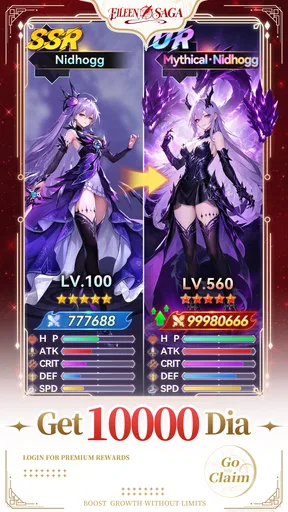
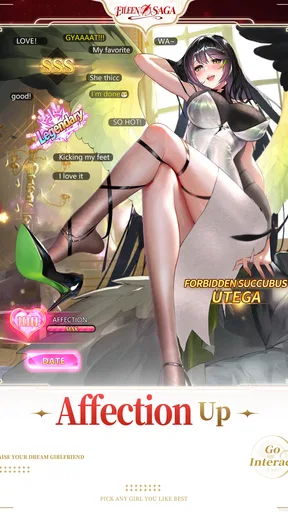
- Colorful character designs give the game visual appeal
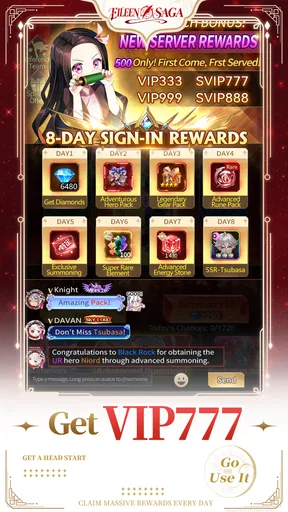
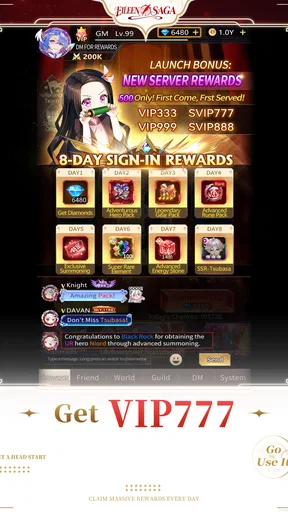
- Progression rewards encourage regular play
- Works well for players who enjoy romance-themed adventures
Limitations of Eileen Saga: The Crush Girl
- Some content may feel repetitive after extended play
- Romance themes may not appeal to every player
- Progress can depend heavily on in-game resources
- Limited depth for players seeking complex strategy
- Device performance may vary on older phones
Similar Picks in This Category
View All
Roblox
Roblox Corporation4.2

Pokémon GO
Niantic, Inc.3.5

Ninja warrior: legend of adven
TOH Games4.6

Ninja Arashi
Black Panther4.6

Eyes - The Horror Game
Fearless Games sp. j.4.5

Critical Action:Gun Strike Ops
FPS Shooter & Action Game4.3
Frequently Asked Questions
What is Eileen Saga: The Crush Girl about?
Eileen Saga: The Crush Girl is a character-focused mobile game built around collecting heroines, progressing through story content, and developing a team for battles or other challenges. Its appeal comes from the combination of anime-inspired characters, relationship elements, quests, and upgrade systems. Before downloading, players should expect a game that mixes casual progression with role-playing mechanics rather than a simple one-session arcade experience.
Is Eileen Saga: The Crush Girl free to download and play?
The game can generally be downloaded without an upfront purchase, but free access does not necessarily mean that every feature is completely free. Like many mobile collection and role-playing games, it may include optional in-app purchases for currency, summons, resources, or faster progression. Players who prefer not to spend money should review the store listing and disable purchase authentication if children may use the device.
Does Eileen Saga: The Crush Girl require an internet connection?
An internet connection is likely needed for most important features, including account access, downloading game data, receiving updates, synchronizing progress, and participating in online events or server-based activities. Offline play may be limited or unavailable. A stable Wi-Fi connection is recommended for the initial installation and large content downloads, especially if your mobile data plan has restrictions.
Is Eileen Saga: The Crush Girl suitable for children?
Parents should check the official age rating and the game’s content description before allowing children to play. The title’s character-collection and romance-oriented presentation may include mature themes, suggestive artwork, dialogue, or monetization systems that are not appropriate for every age group. It may also contain advertisements or in-app purchases, so parental controls and store purchase restrictions are advisable.
What should I check before installing the game?
Before installing Eileen Saga: The Crush Girl, check whether your Android or iOS device meets the required operating-system version and has enough free storage for both the application and additional downloadable files. Also review the latest user ratings, privacy information, permissions, server availability, and regional restrictions. If you care about progress, confirm whether the game supports account linking or cloud synchronization.
Play our best games!


